SISMID 2026: Forecasting and evaluation
Who are we?


Predictive modeling for public health
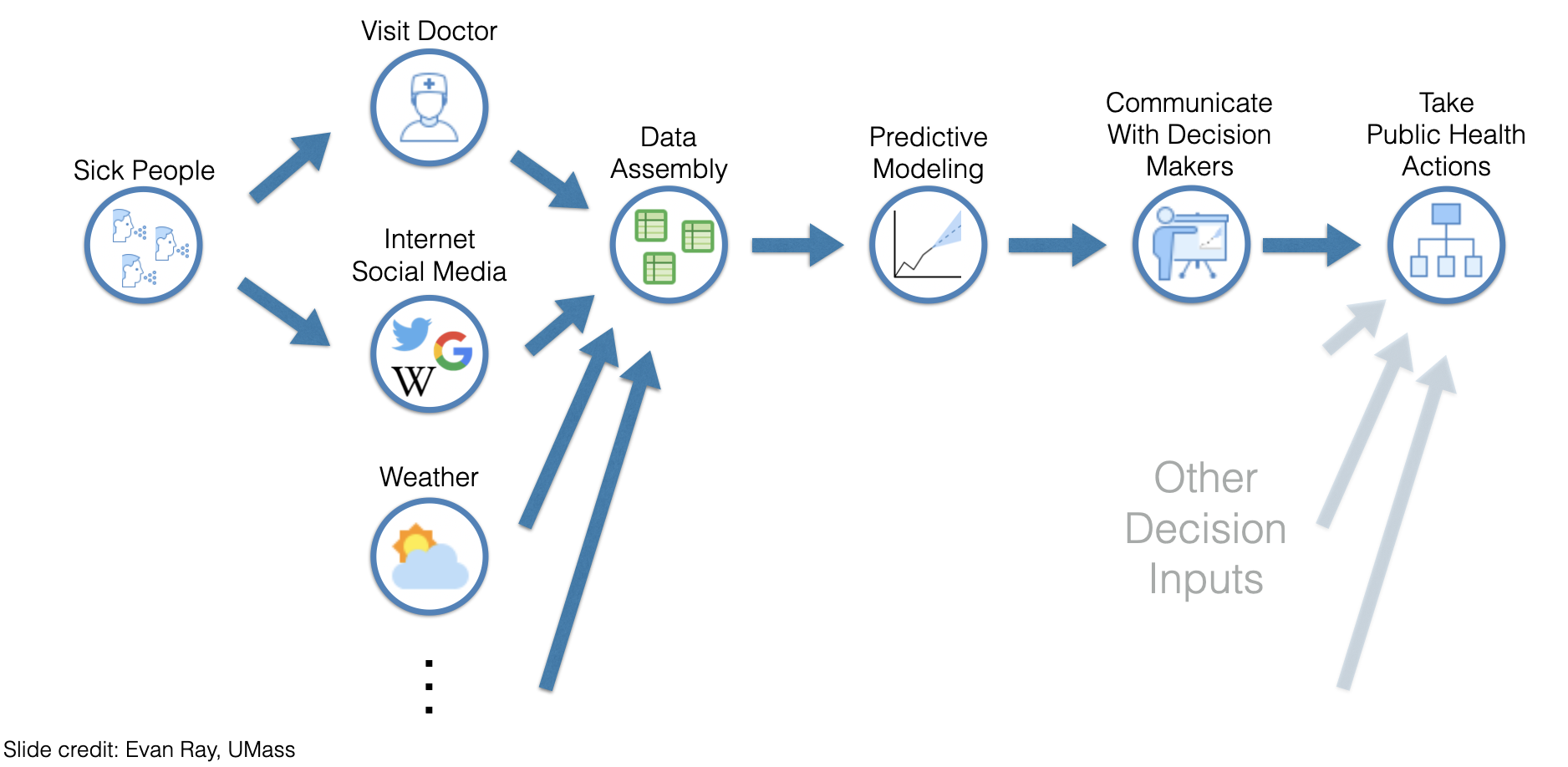
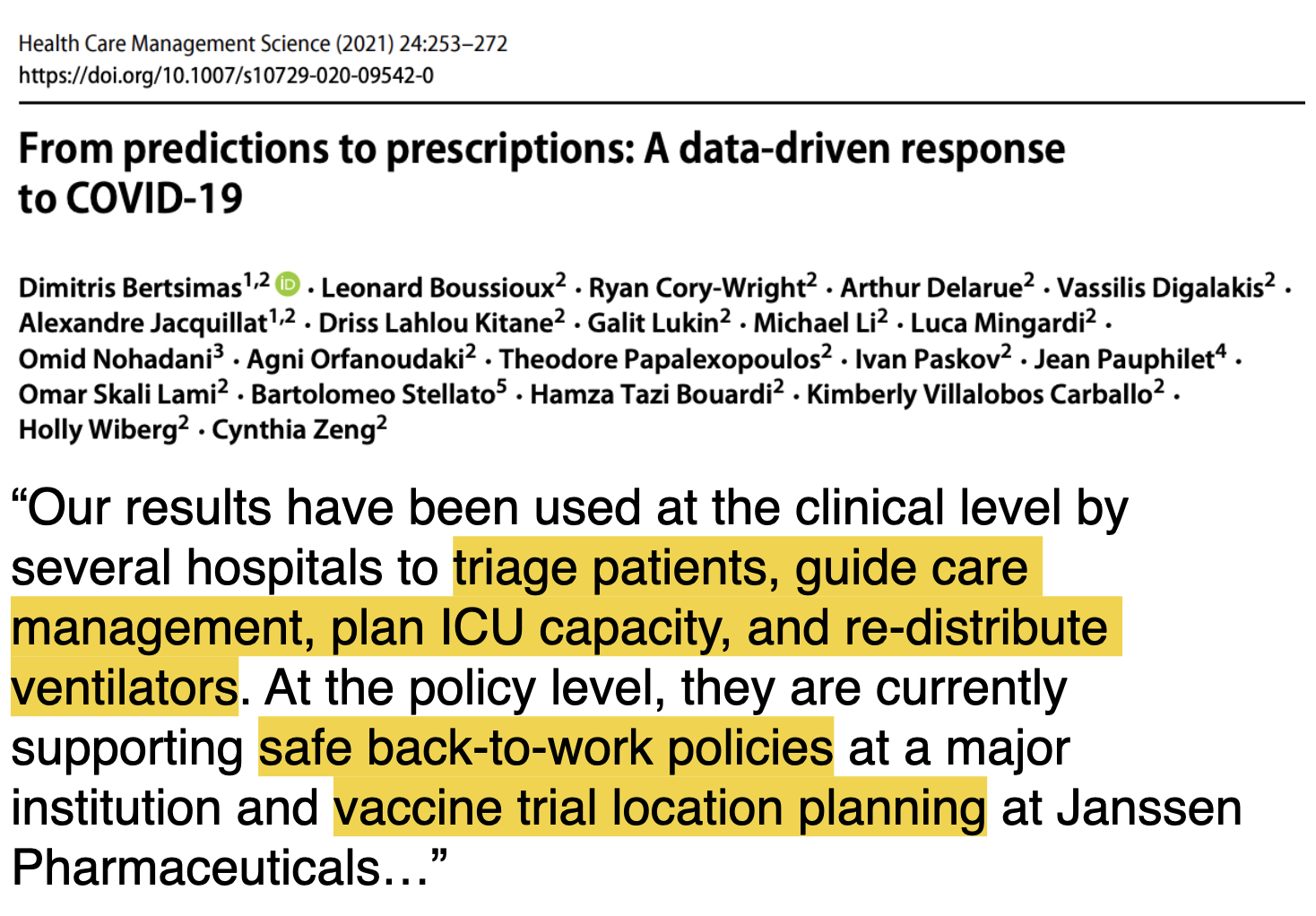
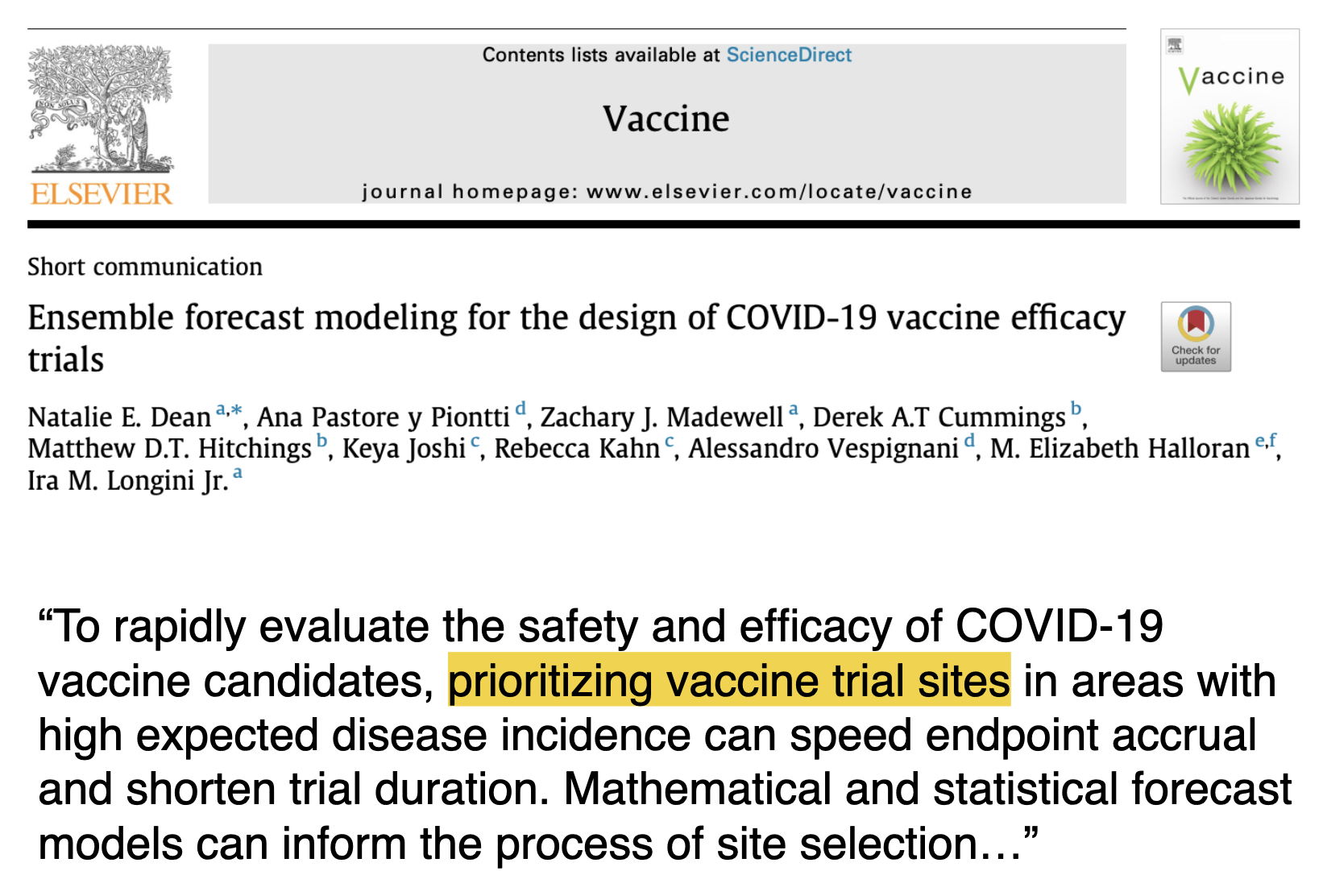
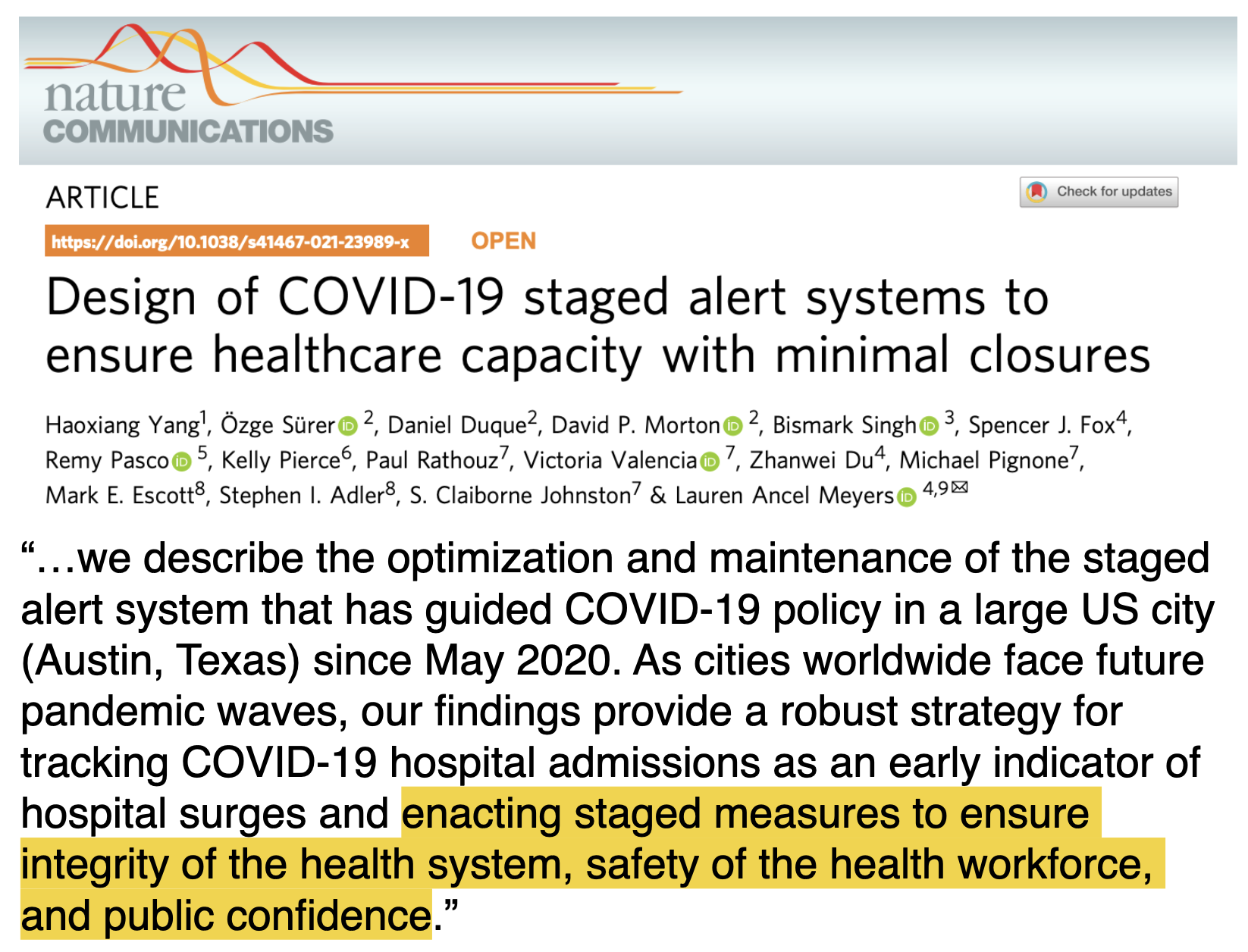
Uses of forecasts
Different ways of modelling the future
Nowcasts make statements about current trends based on partial data
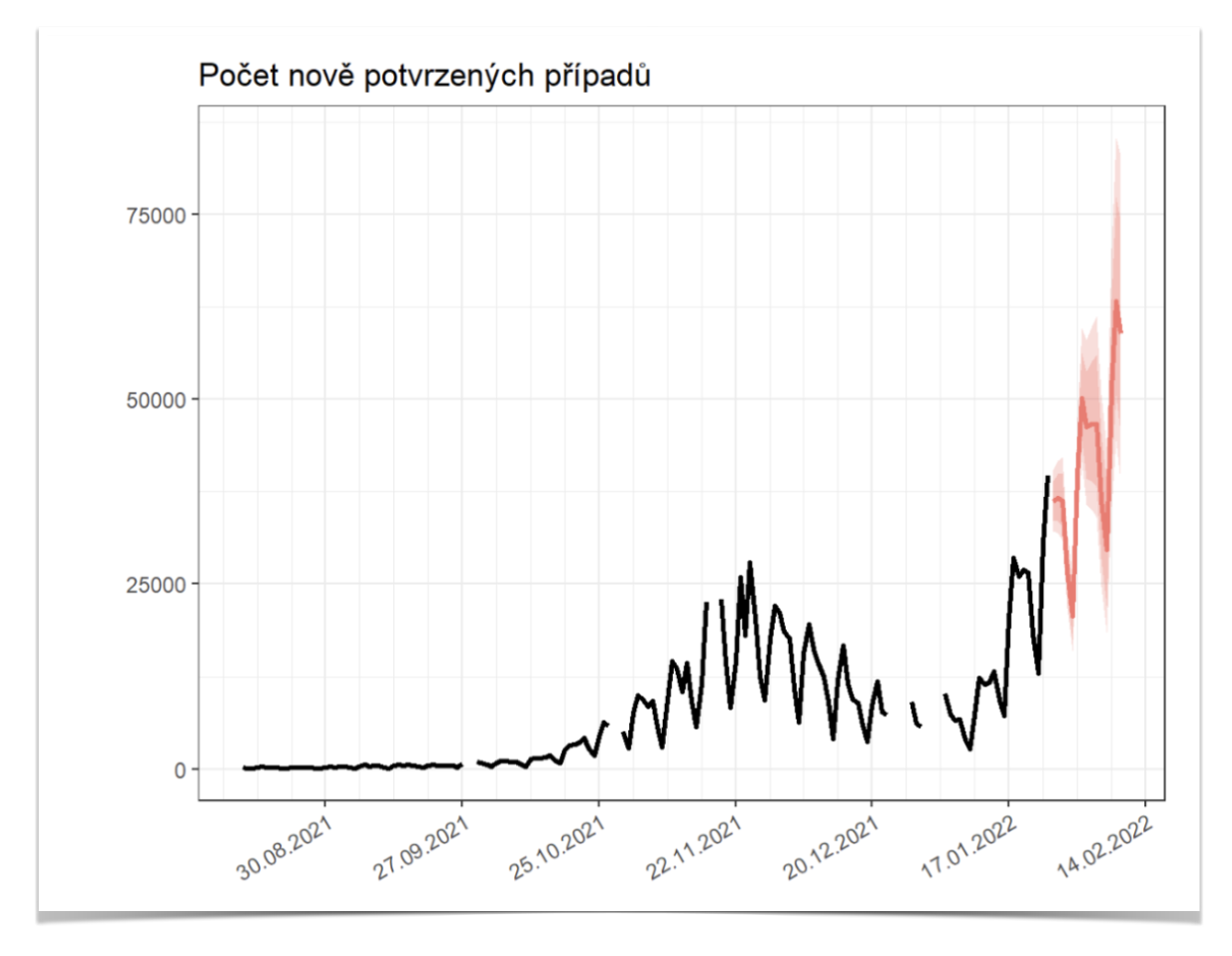
Forecasts are unconditional statements about the future: what will happen
Scenarios state what would happen under certain conditions
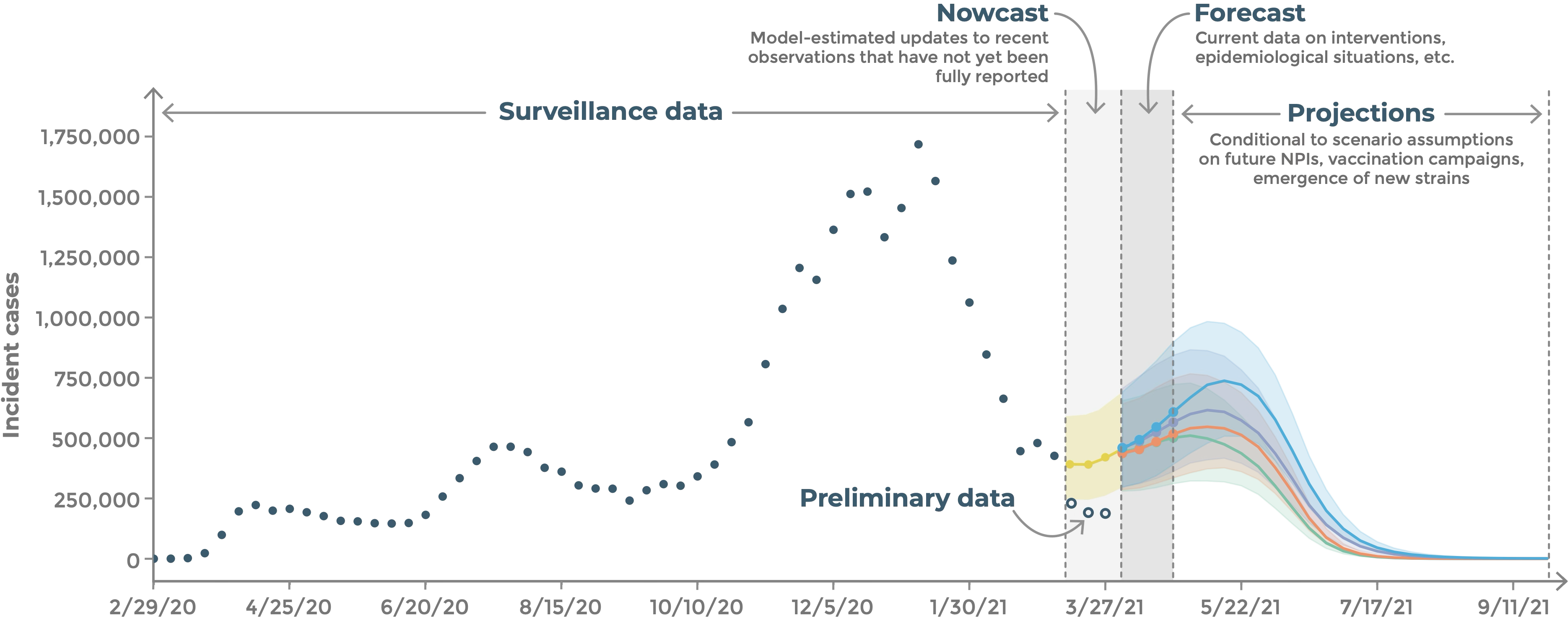
Figure credit: Scenario Modeling Hub
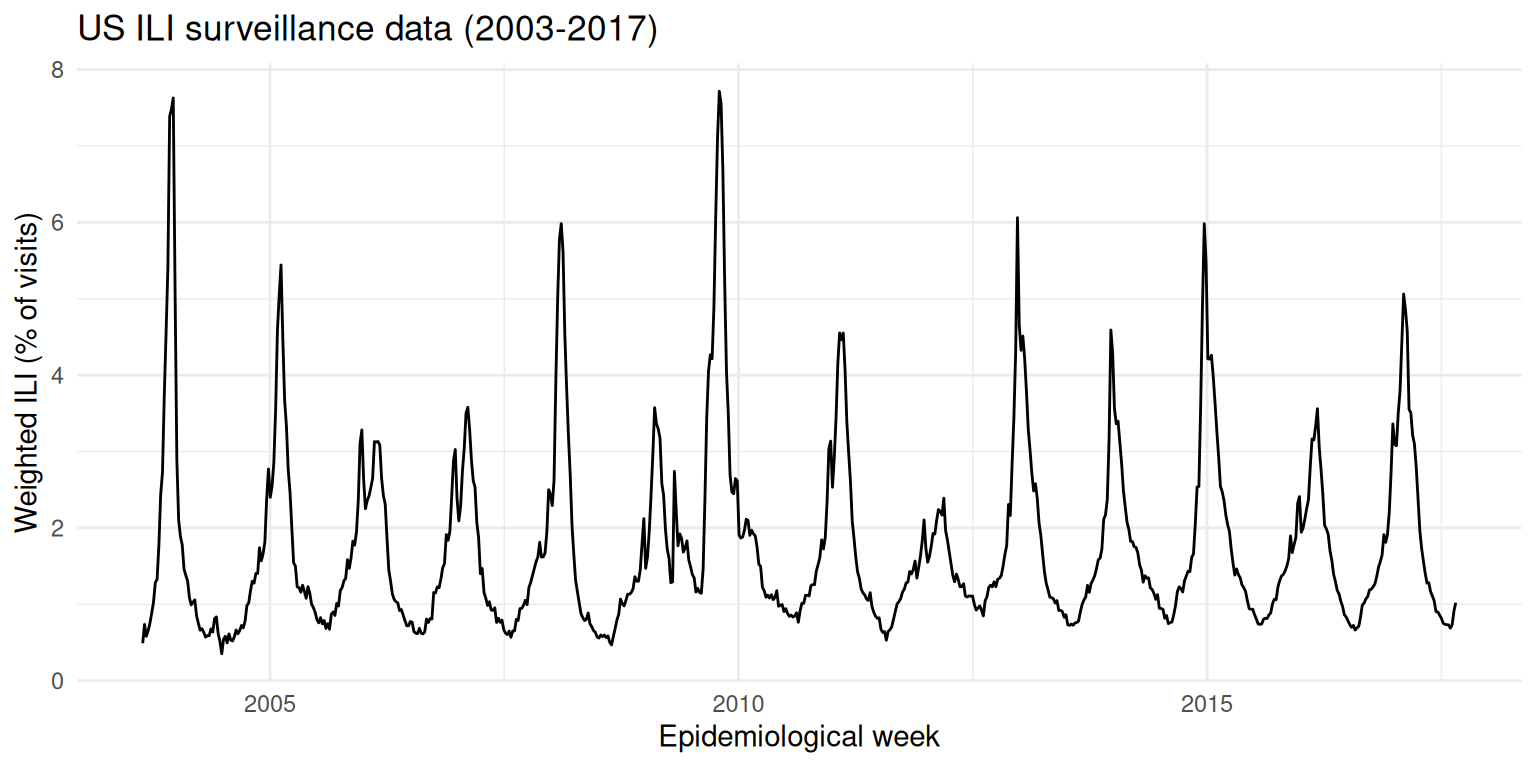
Public health surveillance data
- Collected as part of routine activities by state & local PH departments.
- Not exhaustive list of all cases, ideally a representative sample.
- Often looked to as real-time indicators of “what is going on”.
- E.g., Influenza-like illness (ILI) = fever AND additional “flu-like” symptom.
Different types of models

- We can classify models by the level of mechanism they include
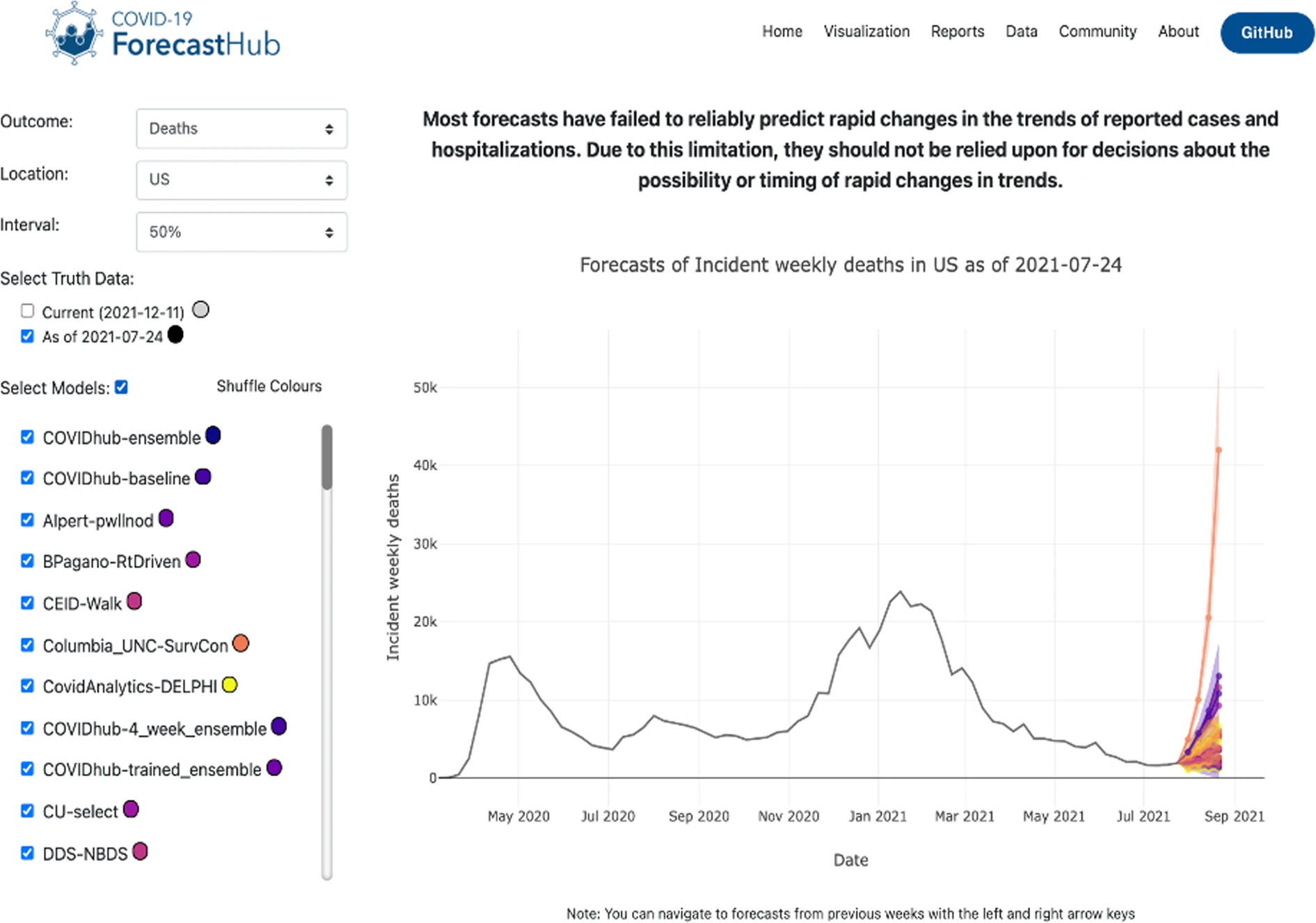
- All of the model types we will introduce in the next few slides have been used for COVID-19 forecasting (the US and/or European COVID-19 forecast hub)
NOTE: level of mechanism \(\neq\) model complexity

Complex agent-based models
Conceptually probably the closest to meteorological forecasting, if with much less real-time data.


Compartmental models
Aim to capture relevant mechanisms but without going to the individual level.

Semi-mechanistic models
- Include some epidemiological mechanism (e.g. SIR or the renewal equation)
- Add a nonmechanistic time component inspired by statistical models (e.g. random walk)
- For those familiar with the nowcasting course, this should be familiar


Statistical and Machine Learning models
- Models that don’t include any epidemiological background e.g. ARIMA; also called time-series models
- “Black-box” machine learning approaches
- Various regression-based approaches (could include some epi-relevant covariates)
Other models
- Expert or crowd opinion
- Ensembles of various models
- …